
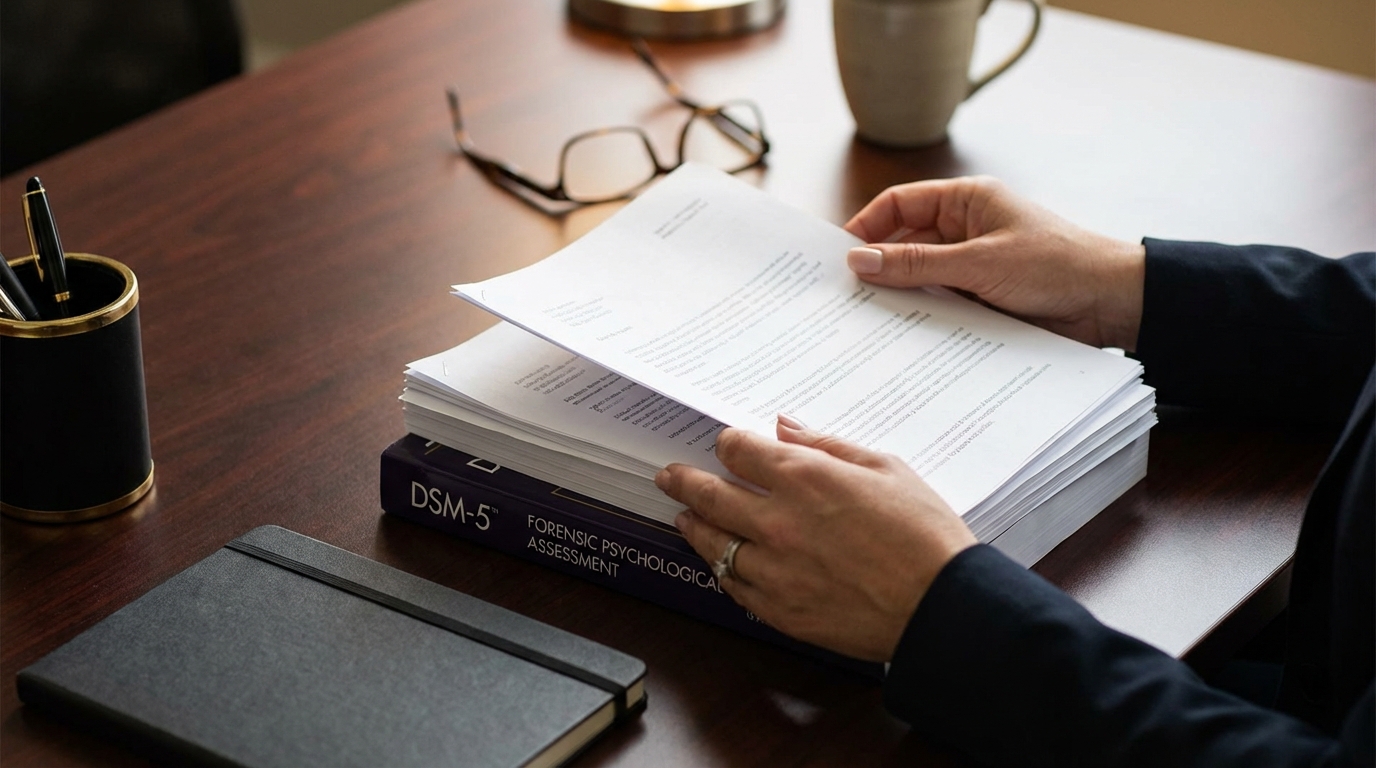
If you've been told you need a pre-sentence report, you're probably wondering what happens next. Will it help or hurt your case? How long does it take? What will they ask you? This guide walks you through every step of the process so you know exactly what to expect.
What Is a Pre-Sentence Report?
A pre-sentence report (sometimes called a PSR) is an independent assessment prepared for the court before your sentencing hearing. It helps the judge understand your personal circumstances, any alcohol or drug use issues, and what rehabilitation options might be available to you.
The report is prepared by an independent assessor—not the police or prosecution—and provides an objective view of your situation. Think of it as a tool to help the court make the most informed decision possible about your sentence.
"A well-prepared pre-sentence report can be the difference between a sentence that addresses the root causes of offending and one that doesn't."
— Precision AOD SolutionsIs a Pre-Sentence Report a Good Thing?
This is one of the most common questions we hear. The short answer: yes, in most cases, it's beneficial. Here's why:
📋 Gives Context to Your Situation
The report explains factors that contributed to your offending—like substance use, mental health, or personal circumstances—that might not otherwise come to light.
🎯 Identifies Rehabilitation Options
It highlights treatment programmes and interventions that could address underlying issues, showing the court you're taking steps to change.
⚖️ May Influence Sentencing
While not guaranteed, reports that show genuine engagement with treatment and low reoffending risk can support more lenient sentencing outcomes.
However, it's important to be honest and cooperative during the assessment. The report must be objective, and any attempts to mislead the assessor will be noted and could work against you.
How Long Does a Pre-Sentence Report Take?
Understanding the timeline helps you plan and manage expectations. Here's what the process typically looks like:
Report Commissioned
Your lawyer requests the report, and an assessor is assigned. You'll be contacted to schedule your assessment appointment.
Assessment Interview
You attend a 2-3 hour interview with the assessor. This covers your background, the offence, and any substance use or treatment history.
Report Writing
The assessor writes the report, reviewing all information and formulating recommendations for the court.
Report Delivered
The completed report is sent to your lawyer and the court in time for your sentencing hearing.
What Happens During the Assessment Interview?
The assessment interview is the core of the pre-sentence report. Here's what to expect:
Before the Interview
- You'll receive an appointment confirmation with time and location (or AVL link if remote)
- Bring any relevant medical records, previous treatment documentation, or court papers
- Consider writing down key points you want to cover so you don't forget anything important
During the Interview (2-3 hours)
The assessor will cover several key areas:
What the Assessor Will Ask About
- Your background: Family, education, employment, living situation
- The offence: Your understanding of what happened and your role
- Substance use: Alcohol and drug history, patterns, impact on your life
- Health: Any mental health conditions, medications, or treatment
- Support network: Family, friends, community connections
- Motivation: Your willingness to address issues and make changes
- Future plans: Employment, housing, treatment goals
What to Say in Your Pre-Sentence Report Interview
Many people worry about saying the "wrong" thing. Here's our advice:
- Be honest. The assessor is not there to judge you. They're gathering information to help the court understand your full situation.
- Take responsibility. Acknowledge your role in the offence. Denying or minimizing it will be noted in the report.
- Show insight. Demonstrate that you understand how your actions affected others and what contributed to your behaviour.
- Be open about substance use. If alcohol or drugs played a role, discuss this openly. It helps identify what treatment might help.
- Express willingness to change. Show that you're motivated to address underlying issues and reduce reoffending risk.
"The best pre-sentence reports come from people who are honest, reflective, and genuinely committed to making positive changes."
— Precision AOD SolutionsCan You Be Sentenced Without a Pre-Sentence Report?
Yes, you can be sentenced without one, but it's not always in your best interests. Here's when a report might not be required:
- For very minor offences where the sentence is straightforward
- If you've recently had a similar report prepared
- If the court determines it's unnecessary for the case
However, for most offences—especially where alcohol or drug use is a factor—having a pre-sentence report is strongly recommended. It provides the court with information that could lead to a more appropriate sentence, potentially including rehabilitation options instead of or alongside other penalties.
How to Get a Pre-Sentence Report
There are several ways a pre-sentence report can be arranged:
⚖️ Through Your Lawyer
Your defense lawyer can request a pre-sentence report from the court or commission one independently. This is the most common route.
🏛️ Court-Ordered
The judge may order a report if they believe it would assist in determining the most appropriate sentence.
📞 Independent Commission
You or your lawyer can contact an independent assessor directly to arrange a private report.
If you're working with a lawyer, they'll guide you through the process. If you need to arrange a report yourself, contact our team and we'll explain your options and get the process started quickly.
What Makes a Good Pre-Sentence Report?
A quality pre-sentence report does more than just list facts. It provides the court with:
Comprehensive Analysis
The best reports connect your personal circumstances to the offending behaviour, showing the court why certain interventions might be more effective than others. They don't just describe problems—they identify solutions.

Quality Report Characteristics
- Clear, objective assessment of risk and needs
- Evidence-based recommendations tailored to your situation
- Specific treatment programmes identified with availability confirmed
- Cultural considerations addressed where relevant
- Realistic assessment of your motivation and capacity for change
- Professional formatting meeting court requirements
How the Report Helps Your Case
While no report guarantees a particular outcome, a well-prepared pre-sentence report can support your case in several ways:
🎯 Identifies Alternatives to Imprisonment
The report may highlight community-based sentences or treatment programmes that address the causes of offending more effectively.
📊 Demonstrates Low Risk
If assessment shows low reoffending risk, the court may consider more lenient sentencing options.
🤝 Shows Engagement
Cooperating with the assessment process demonstrates to the court that you're taking the matter seriously.
📝 Provides Sentencing Options
The report gives the judge concrete options—like specific treatment programmes—to include in your sentence.
💡 Did You Know?
Under the Sentencing Act 2002, courts must consider any report submitted that relates to the defendant's personal circumstances, including alcohol and drug use. This means a pre-sentence report is a formal part of the sentencing process, not just an optional extra.
Common Questions About Pre-Sentence Reports
Who sees the report?
The report is provided to your lawyer, the prosecution, and the judge. It becomes part of the court record, so it's important to be honest but also understand that everything you say will be documented.
Can I disagree with the report?
If you believe the report contains factual errors, your lawyer can raise these with the court. However, differences of opinion about the assessor's conclusions are more difficult to challenge.
What if I don't like the recommendations?
The recommendations are for the court's consideration, not requirements. However, showing resistance to recommended interventions may be viewed less favourably than demonstrating openness to change.
Does the report affect my sentence?
While the judge makes the final decision, the report provides important context that can influence sentencing. Judges often rely on pre-sentence reports to identify appropriate rehabilitation options and assess reoffending risk.
Ready to Arrange Your Pre-Sentence Report?
Understanding the process is the first step. If you need a pre-sentence report or want to learn more about how we can help, our team is here to support you through every stage of the assessment.
Why Choose Precision AOD Solutions?
- 15+ years of specialist forensic psychology experience
- 95% court acceptance rate across District and High Courts
- Standard report delivery within 10-15 business days from funding approval
- AVL interviews available for incarcerated clients
- Culturally responsive practice with te reo Māori capability
Related Articles
Sentencing Discounts NZ 2025
Learn how guilty plea discounts work and how AOD reports can support sentence reduction.
Read More →What Does AOD Mean?
Complete guide to AOD terminology in NZ's justice system and how assessments work.
Read More →Sentence Equality & Section 27 Reports
How Section 27 cultural reports address disproportionality and promote fair sentencing in NZ.
Read More →Get Started Today
Contact us to discuss your pre-sentence report needs. We'll explain the process, answer your questions, and arrange an assessment quickly.