

Parole reports form the foundation of decisions made by the independent New Zealand Parole Board. For prisoners serving sentences longer than two years, a comprehensive parole assessment report is prepared before each hearing, covering progress in prison, rehabilitation programmes, behavior, release plans, and risk to the community.
Key Takeaways
- Parole reports are the primary decision-making tool for the Parole Board
- Comprehensive assessments balance rehabilitation progress with community safety
- Cultural factors and whanau support are given significant weight
- Thorough preparation, genuine remorse, and solid release planning predict success
- Reports must meet rigorous professional and quality assurance standards
"The Board uses these reports to decide whether release on parole conditions is safe and sustainable."
� New Zealand Parole BoardThe Critical Role of Parole Reports
Parole reports serve as the primary decision-making tool for New Zealand's independent Parole Board, providing comprehensive assessments that balance rehabilitation progress with community safety.
"The Board may give a direction for release only if satisfied on reasonable grounds that the offender, if released on parole, will not pose an undue risk to the safety of the community or any person or class of persons within the term of the sentence, having regard to (a) the support and supervision available to the offender following release; and (b) the public interest in the reintegration of the offender into society as a law-abiding citizen."
Comprehensive Parole Assessment Framework
Parole reports follow a structured methodology that evaluates multiple domains critical to successful reintegration:
📌 Rehabilitation Progress
Detailed evaluation of programme completion, skill acquisition, and behavior change including AOD treatment and psychological interventions.
⚖️ Risk Assessment
Comprehensive evaluation using validated tools considering both static factors (criminal history) and dynamic factors (recent behavior, treatment progress).
📅 Release Planning
Detailed plans covering accommodation, employment, financial management, AOD support, mental health care, and community supervision.
🛡️ Community Safety
Assessment of public safety implications, victim concerns, community impact, and risk mitigation strategies.
Cultural Competence in Parole Assessments
New Zealand's parole reports are distinguished by their emphasis on cultural factors and whanau involvement:
Te Ao Maori Integration
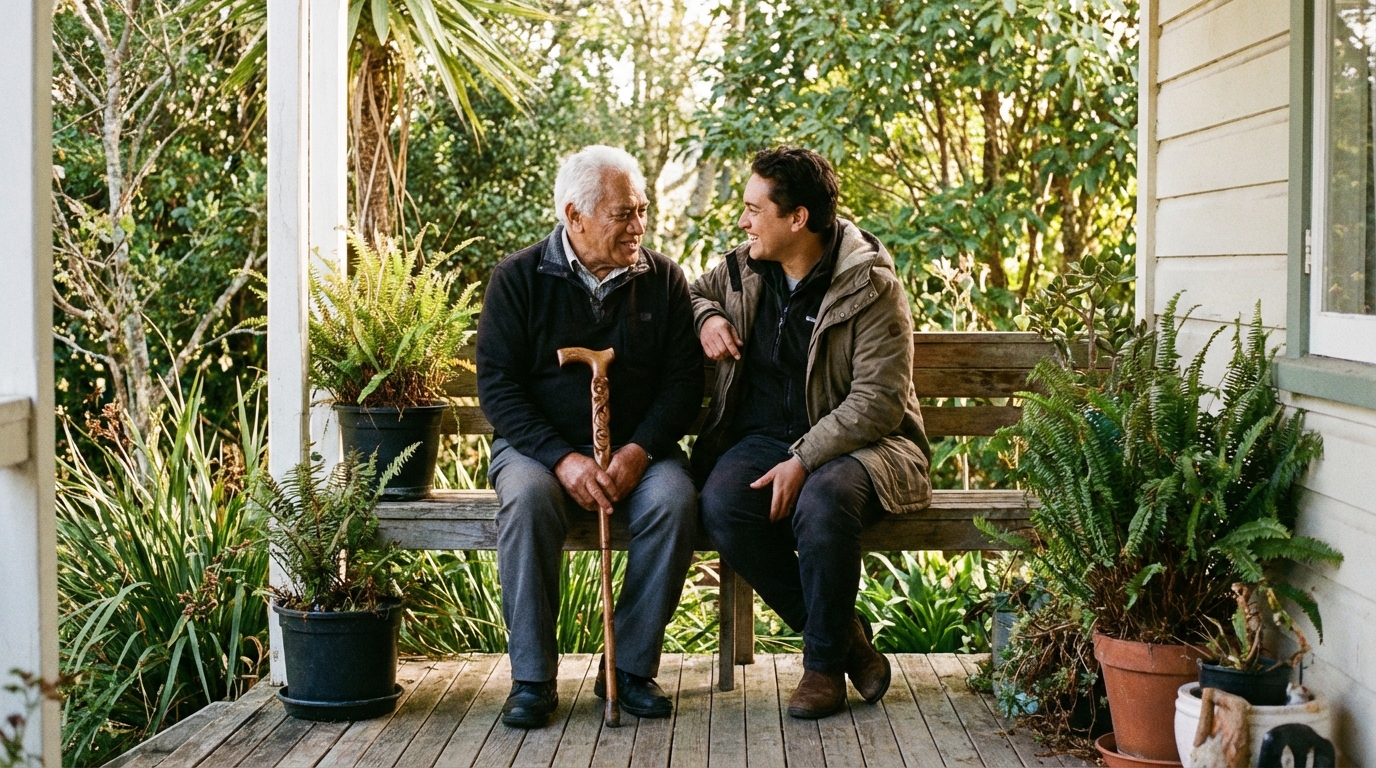
Reports incorporate Maori worldviews, whanau perspectives, and cultural rehabilitation approaches. Cultural reconnection and identity strengthening are considered essential for successful reintegration.
Cultural Assessment Components
- Maori worldviews and whanau perspectives
- Whanau participation in release planning
- Cultural identity strength as protective factor
- Community connectedness evaluation
- Traditional support systems assessment
Parole reports are expected to reflect cultural competence and consider the principles of the Treaty of Waitangi in assessing rehabilitation needs and reintegration potential.
The Parole Board Decision-Making Process
Parole reports inform the Board's assessment of whether release is safe and sustainable:
Rehabilitation Achievement
Evidence of genuine behavior change, programme completion, and skill development that reduces reoffending risk.
Risk Management
Comprehensive strategies for managing identified risks through supervision, treatment, and support systems.
Community Protection
Assessment of whether release conditions adequately protect the community while supporting rehabilitation.
Release Readiness
Evaluation of practical readiness for reintegration, including accommodation, employment, and support stability.
Key Components of Effective Parole Reports
High-quality parole reports include essential elements:
📌 Current Risk Assessment
Updated evaluation using validated tools to assess current recidivism risk and identify risk management needs.
📌 Progress Summary
Clear documentation of rehabilitation achievements, programme completion, and behavior change during incarceration.
📌 Offense Analysis & Insight
Prisoner's understanding of offending behavior, contributing factors addressed, and prevention strategies.
📌 Comprehensive Release Plan
Detailed, realistic plans with specific contacts, timelines, and contingency arrangements for all reintegration aspects.
Professional Standards & Quality Assurance
Parole reports are prepared by qualified professionals who meet rigorous standards:
Quality Requirements
- Prepared by registered psychologists, psychiatrists, or qualified AOD specialists
- Forensic experience and Parole Board accreditation required
- Adherence to professional codes emphasizing objectivity and confidentiality
- Peer review and clear disclaimers about assessment limitations
"Parole reports must be prepared by qualified professionals using evidence-based assessment practices and provide balanced information to inform release decisions."
Challenges in Parole Assessment
Parole reports must address several complex considerations:
📌 Risk-Need Balance
Balancing rehabilitation needs with community safety and ensuring supervision intensity matches actual risk levels.
📌 Dynamic Risk Factors
Assessing changeable risk factors manageable through treatment and support, not just static historical factors.
📌 Practical Planning
Developing realistic, achievable release plans addressing all essential needs while being sustainable in the community.
📌 Cultural Integration
Properly integrating cultural considerations, trauma histories, and social determinants of reoffending.
Preparing for Parole Assessment
To maximize the effectiveness of parole reports:
Active Rehabilitation Engagement
Consistent participation in programmes, treatment, and skill development throughout incarceration.
Comprehensive Release Planning
Early development of realistic accommodation, employment, and support arrangements.
Family & Community Involvement
Building strong support networks and involving whanau in release planning.
Ongoing Assessment Preparation
Regular progress reviews and preparation for parole board hearings.
Professional Parole Assessment Services
Our Expertise
- Board Registered Clinical Psychologists
- Comprehensive risk assessment with validated tools
- Culturally competent assessments integrating Te Ao Maori
- Detailed release planning and support recommendations
- Standard report delivery within 10-15 business days from funding approval
Parole reports serve as critical tools for balancing rehabilitation progress with community safety. By providing comprehensive assessments of risk, rehabilitation achievements, and reintegration potential, these reports help ensure that parole decisions support both successful offender reintegration and public protection.
Need Assistance with Parole Report Preparation?
Contact us for professional assessments that support successful parole applications and safe community reintegration.