
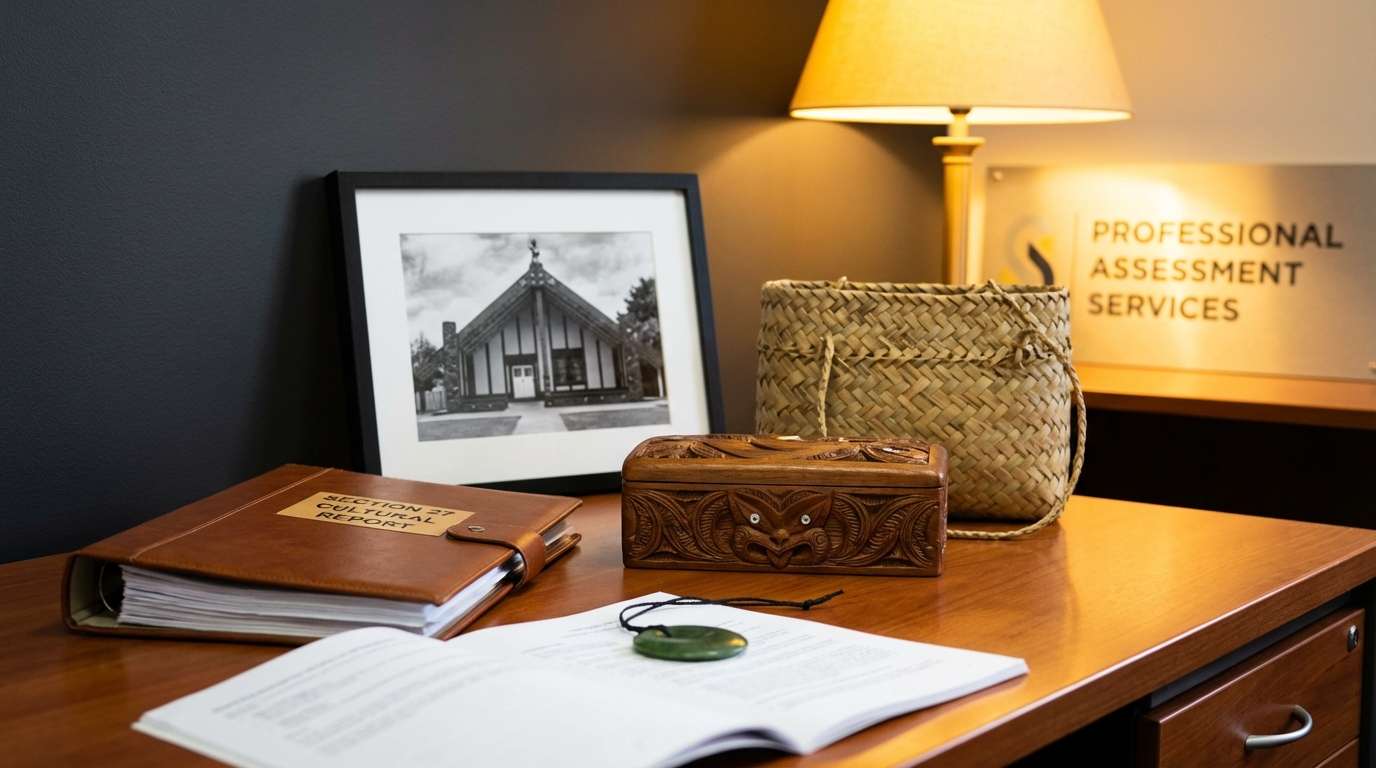
Significant funding changes for Section 27 cultural reports took effect in early 2025, transforming how cultural assessments are accessed and delivered in New Zealand's justice system. These changes aim to improve access to cultural expertise while ensuring quality and consistency. For a step-by-step look at what these reports involve, our guide walks through the cultural investigation process under Section 27.
"The 2025 funding changes represent the most significant transformation to cultural assessment funding in over a decade."
� Ministry of JusticeOverview of 2025 Funding Changes
The funding reforms introduce comprehensive improvements to cultural report access and delivery:
📌 Increased Funding
40% increase in total funding allocation for cultural reports, expanding access nationwide.
? Streamlined Access
Simplified application and approval processes with digital portal for real-time tracking.
? Quality Standards
Mandatory accreditation for cultural report providers ensures consistent quality.
📌 Regional Equity
Improved funding distribution addresses regional disparities in access to cultural expertise.
"The 2025 funding changes for Section 27 cultural reports aim to improve access to cultural expertise while maintaining high standards of cultural competence and judicial utility."
New Funding Eligibility Criteria
The reformed funding system introduces clearer eligibility criteria while expanding access:
Automatic Eligibility
- Offenders who identify as Maori
- Offenders from Pacific nations
- Cases involving cultural factors in offending
- Requests from kaumatua, kuia, or cultural authorities
- Cases deemed necessary by judicial officers
Means-Tested
For non-automatic cases, means testing considers income, employment, family responsibilities, and alternative funding.
Priority Cases
Youth offenders (under 25), first-time offenders, family violence cases, and complex assessments receive priority.
Streamlined Application Process
The new system introduces efficient digital processes:
Online Application
Use justice.govt.nz/cultural-reports portal for direct applications, real-time eligibility checking, and document upload.
Approval Process
Applications are processed in accordance with Ministry of Justice timeframes.
Provider Selection
Choose from accredited local providers or request specific cultural expertise through regional coordinators.
Assessment & Delivery
Complete cultural assessment with average turnaround of 2-3 weeks.
Provider Accreditation Requirements
All funded cultural report providers must meet new accreditation standards:
Quality Standards
Accredited providers must demonstrate relevant tertiary qualifications, cultural competence, knowledge of Te Ao Maori and tikanga, and understanding of forensic assessment principles.

Accreditation Requirements
- Relevant tertiary qualifications in cultural studies or psychology
- Demonstrated cultural competence and expertise
- Regular supervision and professional development
- Quality assurance processes and peer review
- Cultural safety and ethical practice standards
Accredited cultural report providers are expected to demonstrate ongoing competence in cultural assessment, forensic principles, and professional ethics.
Impact on Access and Availability
The funding changes have significantly improved cultural report access:
📌 Consistent Timeframes
Cultural reports are typically completed within 2-3 weeks, allowing adequate time for thorough cultural consultation.
Geographic Equity
Regional funding allocations ensure cultural expertise is available throughout New Zealand, including rural areas.
📌 Provider Diversity
Increased funding has attracted more qualified providers, including specialists in Pacific cultures and minority groups.
📌 Cost Predictability
Standardized funding rates provide clearer cost expectations for legal practitioners and offenders.
Success Stories
📖 Case Study: Automatic Eligibility Success
A young Maori offender facing serious charges qualified automatically for funded cultural assessment. The assessment was completed within the standard timeframe, resulting in culturally informed sentencing that incorporated whanau conferencing and Maori AOD treatment.
📖 Case Study: Regional Access Improvement
An offender in a rural area previously faced 8-week waits for cultural assessment. Under the new system, local accredited providers completed the assessment within 3 weeks, ensuring timely delivery and culturally appropriate sentencing.
Guidance for Legal Practitioners
Key considerations for working with the new funding system:
Best Practices
- Identify potential need for cultural reports early in case preparation
- Prepare comprehensive applications with clear cultural relevance
- Explain funding changes and application process to clients
- Choose accredited providers with relevant cultural expertise
- Monitor application status and maintain communication
How to Access Cultural Reports in 2025
Determine Eligibility
Check automatic eligibility or prepare means testing documentation.
Gather Information
Collect supporting evidence of cultural relevance and need.
Apply Online
Use the justice.govt.nz portal for streamlined application.
Select Provider
Choose from accredited local providers or request specific expertise.
Monitor & Present
Track progress and ensure timely delivery for court proceedings.
Choosing Quality Cultural Assessment Services
What to Look For
- Current accreditation and quality standards compliance
- Relevant cultural knowledge and experience
- Proven track record of judicial acceptance
- Regional availability for efficient service delivery
- Integrated cultural and AOD assessment capabilities
At Precision AOD Solutions, we are fully accredited under the new funding framework and maintain our commitment to providing high-quality, culturally competent assessments. Our bicultural team combines deep cultural understanding with forensic expertise.
Need a Section 27 Cultural Report?
Contact us today for accredited cultural assessments that meet the new funding requirements and court standards.